
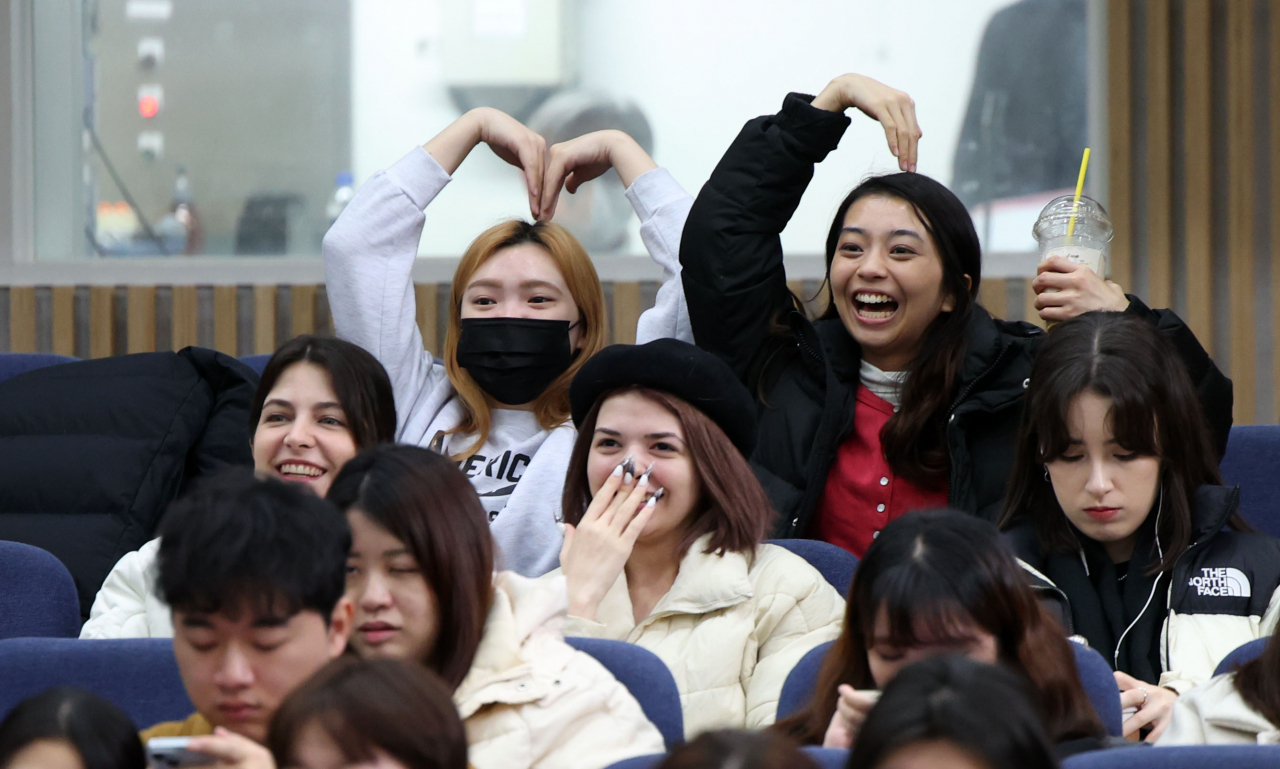
South Korea is rising fast as one of the top destinations for international education. With globally ranked universities, world-class research, and vibrant culture, more and more students from around the world are choosing Korea for their academic journey.
90% of these students want to stay and work in Korea after graduation—yet most of them can’t.
A recent survey by the Korea Federation of SMEs (KBIZ) revealed a striking number—9 out of 10 international students want to build their career in Korea after completing their studies.
And it's not just wishful thinking. Their reasons are solid:
This means Korea isn’t just a place for study—it’s becoming a home for dreams and ambitions.
But the reality hits hard when students try to turn those dreams into a career.
To legally work in Korea, graduates need an E-7 visa (specific activity). And according to the survey, 66.7% of students said getting that visa is very difficult due to strict criteria and bureaucratic red tape.
Yet, 58.8% of students said they would gladly take jobs in those sectors—if only the system allowed them to.
Lee Myung-ro, a leader at KBIZ, said it best:
“Foreign students are eager to work in Korea, but visa limitations block their path. We need to re-evaluate allowing graduates to join sectors like manufacturing under the E-9 visa.”
This issue goes beyond individual frustrations. Korea is spending millions attracting bright students, giving them quality education—but then letting them go when they’re finally ready to contribute.
Korea has done an incredible job attracting international students. But the next big step is retention.
If Korea can ease visa policies and open up flexible work opportunities for graduates, it won’t just help students—it’ll also fuel the country’s economy, innovation, and global competitiveness.
Because what’s the point of building a global talent pipeline if it’s just going to leak?